BGD One-Stop Perfume Sourcing for B2B Wholesale & B2C Retail. Premium Fragrances & Trusted Partners.



How to Handle International Shipping & Customs for Bulk Perfume Orders
Learn how to manage international shipping and customs for bulk perfume orders. This practical guide covers shipping documents, customs clearance, HS classification, duties, landed costs, packaging, and shipment receiving for retailers, wholesalers, and distributors.

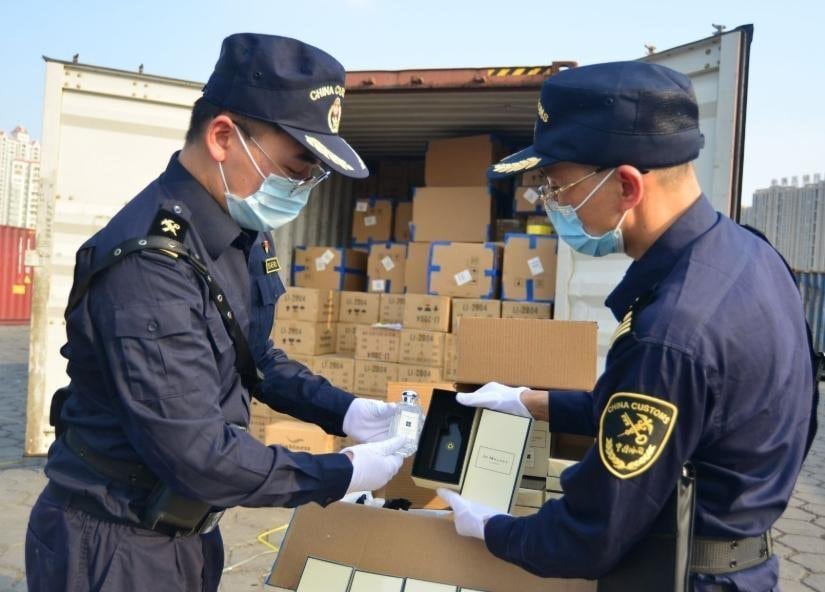
Ordering perfume in bulk is only one part of the purchasing process.
Once the goods leave the supplier, international shipping, customs clearance, documentation, and local delivery can all affect the final cost and delivery time.
Many fragrances also contain alcohol, so their transportation may involve additional requirements. These requirements can vary according to the product, quantity, destination, and shipping method.
For retailers, wholesalers, distributors, and online sellers, it is better to understand these details before the order leaves the supplier.
This guide focuses on the practical side of shipping and customs for bulk perfume orders. It covers documentation, transportation, import costs, customs clearance, and the receiving process.
1. Confirm the Shipping Plan Before Comparing Prices
When comparing wholesale suppliers, buyers often look at the product price first and the shipping cost second.
For international perfume orders, however, the freight quotation needs a closer look.
One supplier may offer a lower freight price but use a different shipping arrangement. Another quotation may already include certain services or destination charges.
Before comparing offers, check what the quoted shipping cost covers:
- Shipping method
- Destination
- Estimated transit time
- Customs clearance
- Import duties and taxes
- Destination handling
- Local delivery
- Insurance, where applicable
- Special transportation requirements
As a result, the lowest freight quotation does not always produce the lowest overall cost.
For wholesale buyers, the more useful figure is usually the landed cost, rather than the shipping cost alone.
If you are still comparing suppliers and order quantities, see our guide on How to Buy Wholesale Perfume for Resale.
2. Check How the Perfume Will Be Transported
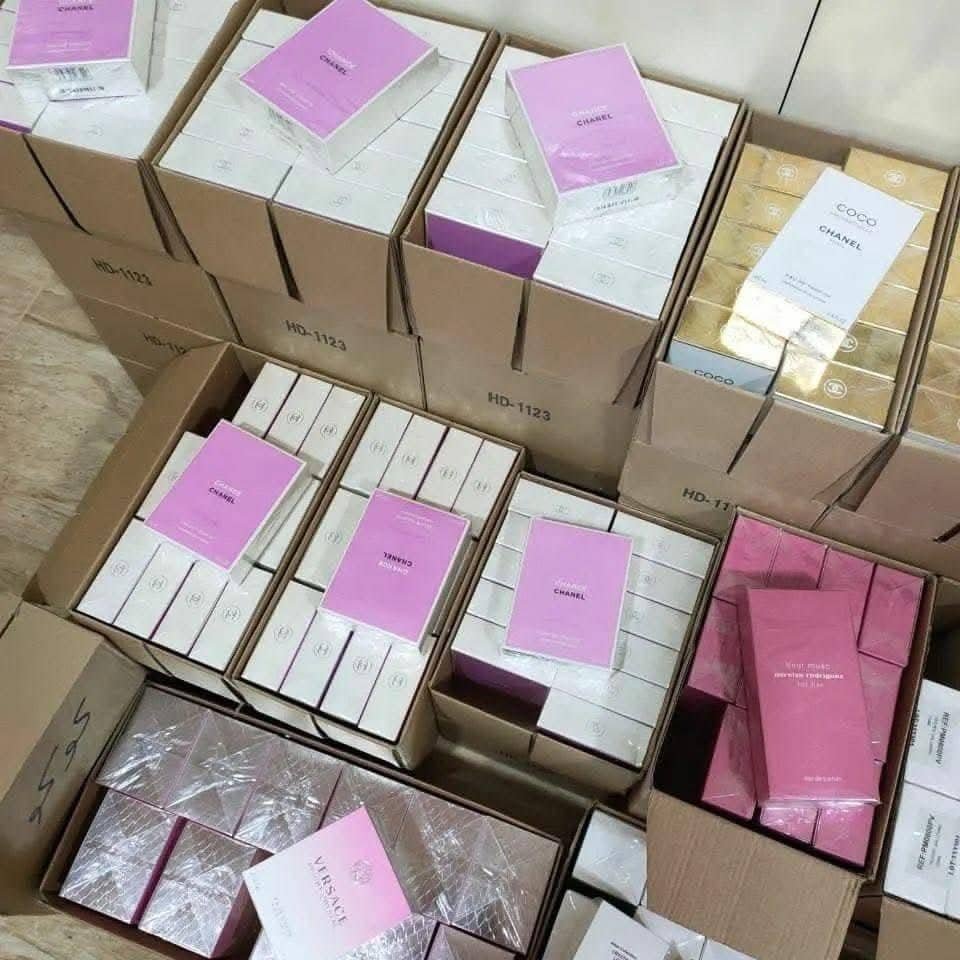
Perfume does not always travel under the same conditions as ordinary consumer goods.
Many fragrances contain alcohol, which can affect their transportation requirements. Depending on the product and shipping route, certain fragrances may require additional handling or documentation.
This can affect:
- Packaging
- Labelling
- Shipping documents
- Carrier acceptance
- Air or sea transportation
- Quantity or handling procedures
That does not mean perfume cannot move internationally.
Instead, the supplier and logistics provider should choose a shipping method that fits the actual products in the order.
Before arranging a bulk shipment, ask:
“Has this shipping method been confirmed for the specific perfume products in my order?”
This question gives you more useful information than simply asking whether the supplier ships internationally.
3. Request the Main Shipping Documents Before Dispatch
Good documentation can make customs clearance much easier.
Depending on the shipment, buyers may need:
- Commercial invoice
- Packing list
- Shipping documents
- Safety Data Sheet (SDS), where applicable
- Product information
- Country of origin information
- Dangerous goods documentation, where required
The exact requirements vary according to the products, destination, carrier, and shipping arrangement.
At the same time, keep the information across these documents consistent.
Product names, quantities, weights, and declared values should match the actual shipment.
If the paperwork does not match the goods, customs or the carrier may ask for clarification.
Correcting a document before dispatch is usually much easier than resolving the same issue after the shipment enters transit.

4. Check the Commercial Invoice Carefully
The commercial invoice is one of the main documents used to identify an international shipment.
It gives customs and other parties information about the transaction and the goods.
For a bulk perfume order, check the invoice for:
- Buyer information
- Seller information
- Product description
- Quantity
- Unit value
- Total value
- Currency
- Country of origin, where applicable
- Agreed shipping or trade terms
Use clear product descriptions whenever possible.
For example, an order may contain men’s perfume, women’s perfume, unisex fragrances, and gift sets. In that case, the invoice should reflect the actual product mix rather than using one vague description for the entire shipment.
Clear information also helps the carrier, broker, and customs authorities understand the order more quickly.
5. Make Sure the Packing List Matches the Shipment
A packing list becomes especially useful when a bulk order contains several products or multiple cartons.
For example, a retailer may order:
- Men’s fragrances
- Women’s fragrances
- Unisex fragrances
- Perfume gift sets
- Different bottle sizes
In this situation, the packing list should make it easy to identify the contents of each shipment.
It may include:
- Number of cartons
- Product names
- Units per carton
- Total units
- Net weight
- Gross weight
- Carton dimensions
In practice, a clear packing list supports both customs clearance and warehouse receiving.
It also gives the buyer a simple way to compare the delivered goods with the original purchase order.
6. Confirm the HS Classification Before Shipping
HS classification is another detail worth checking before the goods leave the supplier.
Perfume products fall under customs tariff classifications, but the exact classification and applicable duties can vary by importing country and product.
For that reason, do not assume that a code used for one destination will automatically work for another.
Before dispatch, ask the supplier or customs broker:
“Please confirm the HS classification being used for this shipment and destination.”
For repeat orders, keep a record of the classification used previously.
However, review it again if the product, formulation, packaging, destination, or import arrangement changes.
7. Know Who Handles Customs Clearance
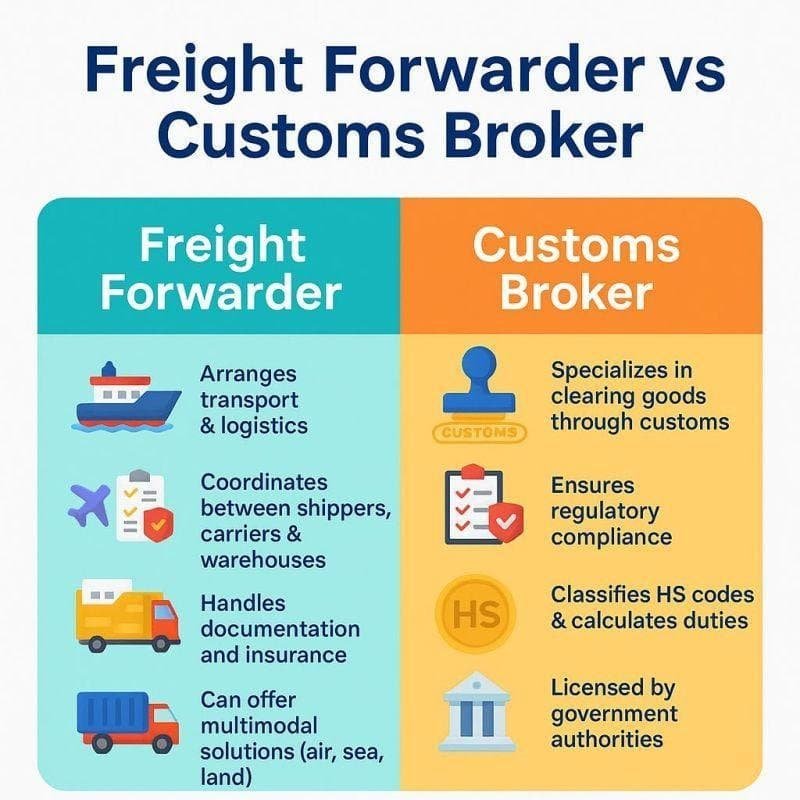
Shipping goods to your country and clearing them through customs are not necessarily the same process.
Depending on the arrangement, the following parties may handle different parts of the clearance process:
- Buyer
- Seller
- Freight forwarder
- Customs broker
- Carrier
Before confirming a bulk order, make sure you know who will handle customs clearance.
If a customs broker is involved, ask what information they need from you and when you need to provide it.
For first-time importers, this simple step can prevent unnecessary delays.
A shipment may reach the destination country while the broker is still waiting for importer information. Knowing the process beforehand makes that situation easier to handle.
8. Understand the Incoterm in Your Quotation
Terms such as EXW, FOB, CIF, DAP, and DDP define different responsibilities between the buyer and seller.
They can affect transportation arrangements, import procedures, and the costs each party needs to cover.
Therefore, do not compare quotations based only on the product price or freight amount.
Instead, ask:
“What costs and responsibilities remain with me after the goods leave the supplier?”
One quotation may appear cheaper but leave the buyer responsible for additional destination or import costs.
A clear understanding of the agreed Incoterm makes supplier quotations much easier to compare.
9. Calculate the Landed Cost Before Setting Your Selling Price
For a wholesale business, the supplier’s product price is only one part of the final cost.
A more useful calculation is the estimated landed cost.
Basic landed cost calculation
**Product cost
- International shipping
- Import duties
- Import taxes
- Customs or brokerage fees
- Destination handling
- Local delivery
= Estimated landed cost**
Next, calculate the approximate cost per sellable unit:
Estimated landed cost ÷ sellable units = approximate landed cost per unit
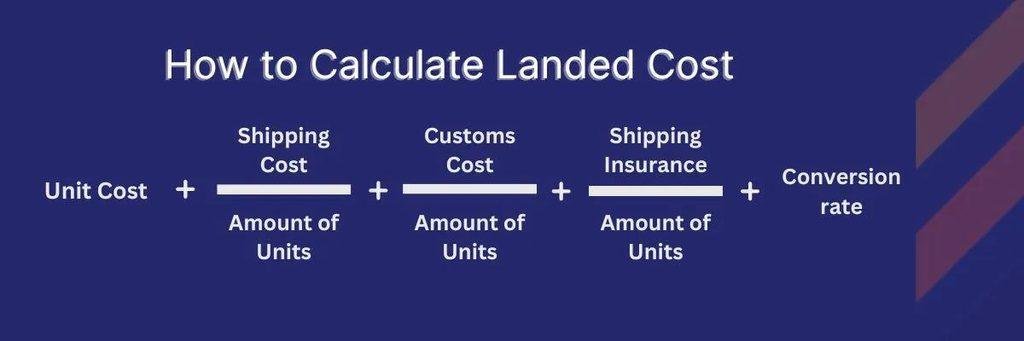
This figure gives retailers a better basis for setting wholesale or retail prices.
It can also explain why two suppliers with similar product prices may produce very different margins after shipping and import costs.
In other words, compare the cost of getting the product into your business, not simply the supplier’s product price.
For a closer look at starting quantities, see Wholesale Perfumes for New Retailers: How Many Should You Start With?
10. Do Not Assume “Shipping Included” Means Everything Is Included
The phrase “shipping included” can mean different things depending on the quotation and shipping arrangement.
It does not necessarily include customs clearance, duties, taxes, or destination charges.
Before confirming the order, ask:
- Is customs clearance included?
- Are import duties included?
- Are local taxes included?
- Are destination charges included?
- Is local delivery included?
- Who will handle customs clearance?
Whenever possible, keep the agreed arrangement in writing.
For larger orders, this small step can prevent an unexpected charge from affecting your final margin.
11. Be Prepared for a Customs Hold
A customs hold does not automatically mean that something is wrong with the products.
Sometimes customs or the carrier simply needs additional information before releasing the shipment.
Common reasons include:
- Missing documents
- Incomplete product information
- Questions about declared value
- Product classification
- Importer information
- Customs inspection
- Transportation requirements
- Other regulatory checks
If this happens, first find out exactly what information the customs authority or carrier needs.
Then provide the requested documents as quickly as possible.
Keeping your supplier, carrier, and customs broker contacts together can make this process much easier.
12. Keep the Supplier and Customs Broker in the Same Communication Loop
Product questions usually require information from the supplier.
Local customs questions, on the other hand, may require help from the broker or carrier.
The buyer therefore needs access to both sides.
Keep these details together:
- Supplier contact information
- Freight forwarder details
- Carrier tracking number
- Customs broker contact
- Commercial invoice
- Packing list
- Product documentation
For shipments containing multiple SKUs, good organization becomes even more useful.
If customs asks a question, you can quickly identify who has the information needed to respond.
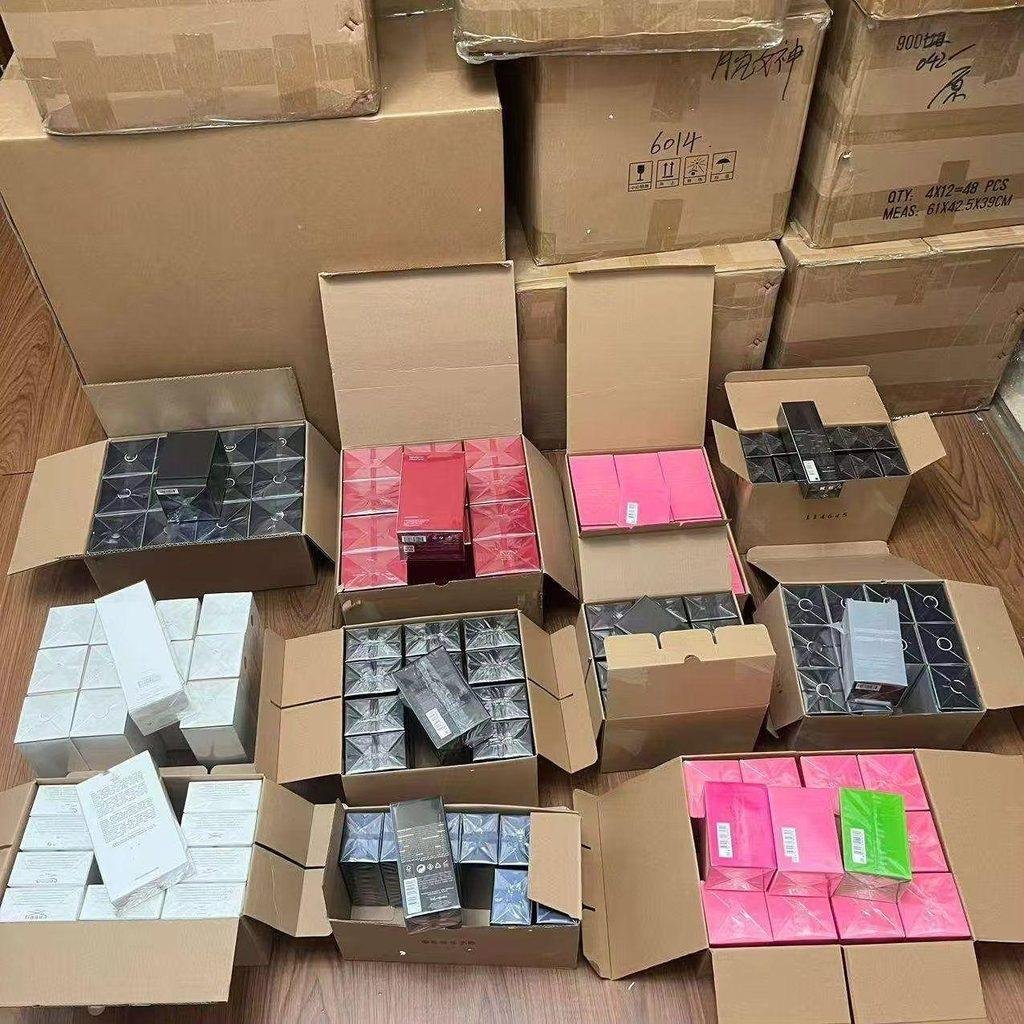
13. Pay Extra Attention to Mixed Bulk Orders
Mixed orders can help retailers test several fragrance categories within one shipment.
For example, a buyer might combine:
Men’s perfume + women’s perfume + unisex fragrance + gift sets
This approach can make inventory planning more flexible. At the same time, the paperwork needs to remain clear.
Before dispatch, check that:
- Every product appears on the order
- Quantities are accurate
- Carton contents are recorded
- Product descriptions are consistent
- The invoice matches the actual shipment
A mixed shipment is not necessarily difficult to clear.
In many cases, the bigger issue is simply making sure the paperwork clearly explains what the cartons contain.
For buyers building a mixed fragrance order, testing selected products before committing to a larger shipment can also help reduce purchasing risk. See our guide on How to Test Wholesale Perfumes Before Placing a Bulk Order.
14. Check How the Perfume Is Packed for International Transport
Perfume bottles are fragile, and international shipments may pass through several handling points before reaching the buyer.
Retail packaging alone may not always provide enough protection for long-distance freight.
Ask the supplier how the products will be packed for export transportation.
The packaging should help reduce the risk of:
- Broken bottles
- Leaking products
- Damaged cartons
- Movement inside the box
- Moisture exposure
- Damage during repeated handling
For larger orders, packaging is part of the shipping plan rather than a minor detail.
A bottle that looks well protected on a retail shelf may still need additional outer protection during international freight.
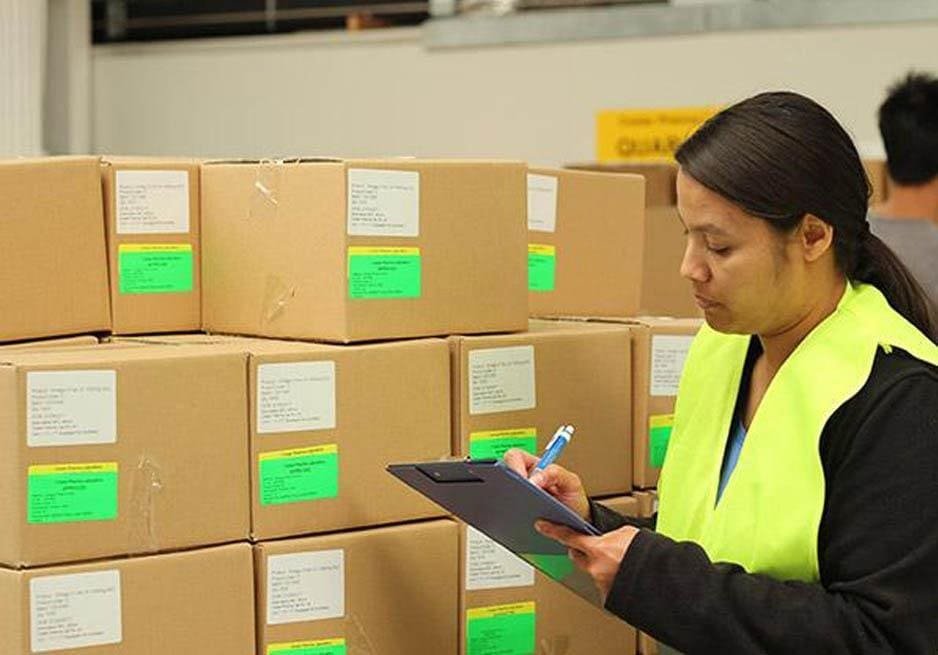
15. Inspect the Shipment When It Arrives
Once the order arrives, check it before moving everything into long-term storage.
Start with the cartons:
- Are there visible signs of damage?
- Is there water exposure?
- Are any cartons broken or leaking?
Next, check the products:
- Is the quantity correct?
- Does the product mix match the order?
- Are any bottles broken?
- Is the retail packaging damaged?
Finally, compare the shipment with the commercial invoice and packing list.
If you find transport-related damage, take clear photos as soon as possible.
Photos, tracking information, and shipping records can support a claim if you need to contact the carrier or logistics provider.
16. Keep Shipping and Customs Records for Future Orders
A successful shipment can provide useful information for the next order.
Keep copies of:
- Commercial invoices
- Packing lists
- Shipping documents
- Customs records
- Duty and tax information
- Broker communications
- Final landed cost
- Actual delivery time
The next shipment may not follow exactly the same route or have identical requirements.
Even so, previous records provide a useful reference for future planning.
Over time, this can make international wholesale shipping easier to manage and repeat.
17. How BGD Fits Into the Bulk Shipping Process
For buyers using the BGD Wholesale & Retail Platform, shipping can be considered alongside product selection and order quantities.
After choosing the products and quantities, buyers can confirm the available shipping method, required documentation, and destination-related requirements before dispatch.
This is particularly useful for larger orders or mixed shipments containing several fragrance categories.
The goal is not to make the purchasing process more complicated.
Instead, the aim is to make the key responsibilities, documents, and potential costs clear before the goods leave the warehouse.
Bulk Perfume Shipping & Customs Checklist
Before confirming a bulk perfume order, run through the following checklist.
Product
- Product list confirmed
- Quantities confirmed
- Bottle sizes confirmed
- Mixed products clearly listed
Shipping
- Shipping method confirmed
- Carrier requirements checked
- Estimated transit time received
- Export packaging discussed
Documentation
- Commercial invoice
- Packing list
- SDS or other required product documents
- Country of origin information
- Transportation documents, where applicable
Customs
- HS classification checked
- Import requirements reviewed
- Customs clearance responsibility confirmed
- Duties and taxes understood
- Broker or carrier contact available
Receiving
- Tracking information saved
- Cartons inspected on arrival
- Quantity checked
- Damaged products photographed
- Shipping and customs records retained
Final Thoughts
International shipping for bulk perfume orders does not need to be complicated, but it does require planning.
Before the goods leave the supplier, make sure you understand how the perfume will travel, which documents you need, who handles customs, and what additional costs may apply.
Just as importantly, calculate the expected landed cost before setting your selling price.
Shipping delays and customs questions can still happen, even when an order has been prepared carefully. However, clear documentation and good communication make those situations much easier to handle.
For retailers, wholesalers, and online fragrance sellers, the practical approach is simple:
Know what you are buying, how it will be shipped, who handles customs, and what you may need to pay when the goods arrive.
International shipping and customs are not separate from the wholesale purchasing process.
They are part of it.