BGD One-Stop Perfume Sourcing for B2B Wholesale & B2C Retail. Premium Fragrances & Trusted Partners.



How to Test a Perfume Before Buying It
Learn how to test perfume before buying, from using paper scent strips to testing fragrances on your skin. Discover why waiting for a perfume to develop can help you find a scent you truly enjoy.

Have you ever tried a perfume in a store, loved it at first, and then changed your mind a little later?
It happens more often than you might think. Some perfumes smell fresh and bright when first sprayed, but become warmer or sweeter as time passes. Others may seem too strong at first, only to settle into a scent you really enjoy.
That is why it is worth spending a little more time testing a perfume before buying a full bottle. The first spray tells you something, but it doesn’t tell you everything.
1. Start with a Paper Test Strip
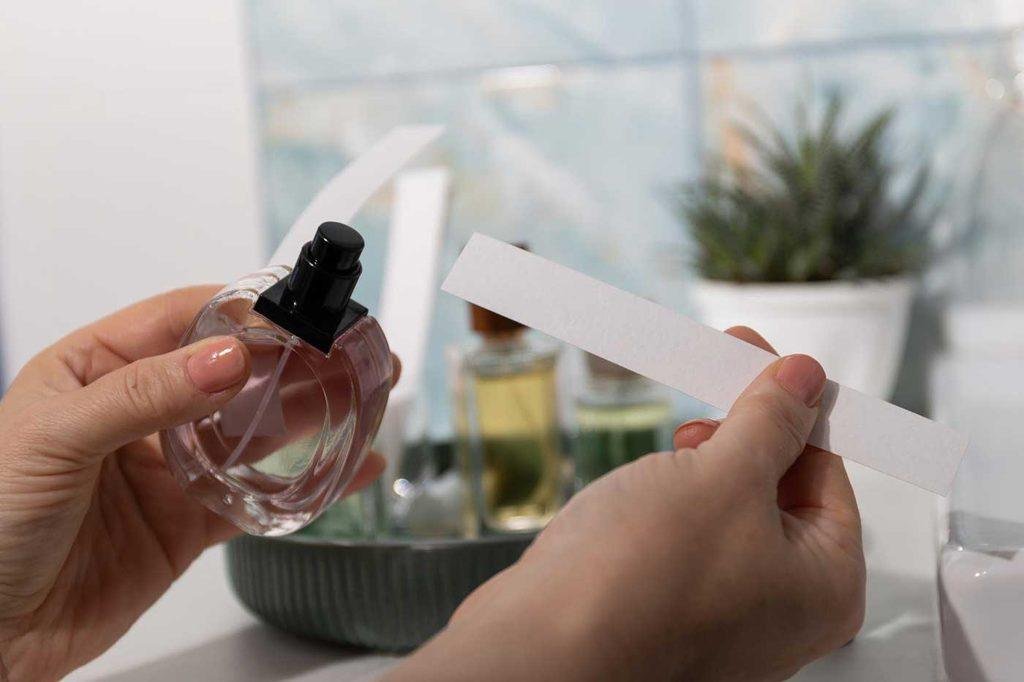
Paper test strips are useful when you want to try several perfumes without spraying them all on your skin.
Spray a little perfume onto the strip, wait a few seconds, and smell it. This gives you a quick idea of the fragrance and helps you decide which ones are worth trying further.
But don’t make your final decision based on paper alone.
A perfume can smell different when you wear it. The strip is a good way to narrow down your choices, while testing on your skin gives you a better idea of how the fragrance develops throughout the day.
One small tip: write the perfume name on the strip. After trying three or four fragrances, it is surprisingly easy to forget which one you liked best.
2. Try It on Your Skin
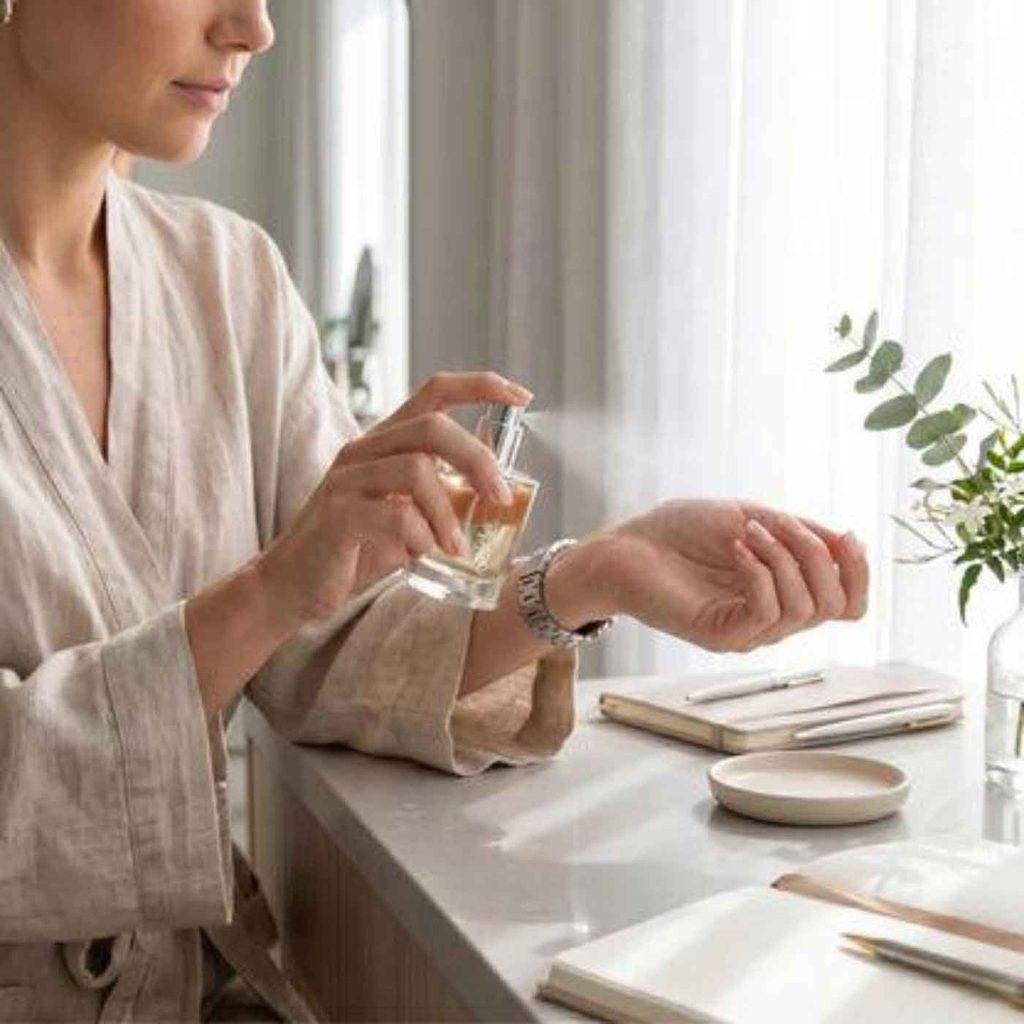
Once you find a fragrance you like on paper, spray a small amount onto your wrist or forearm.
Let it dry naturally instead of rubbing your wrists together. Give the fragrance some space, too. If you spray several perfumes close together, their scents can mix and become difficult to compare.
You may notice that the perfume smells a little different on your skin than it did on the test strip. That is normal. Skin, temperature and the way a fragrance develops can all affect your experience of the scent.
If you are considering buying a full-size bottle, this step is worth taking whenever possible.
3. Give the Fragrance Time to Change
One of the easiest mistakes to make is deciding whether you like a perfume within the first minute.
Most fragrances develop over time, often described through three stages:
- Top notes: The first impression. Citrus, mint and fresh aromatic notes often stand out here.
- Middle notes: The fragrance begins to show more of its character. You might notice rose, jasmine, spices or aromatic herbs.
- Base notes: As time passes, notes such as musk, vanilla, cedar and sandalwood may become more noticeable.
You don’t need to identify every note to enjoy a perfume. Just notice how it changes.
A fragrance that opens with fresh citrus might become soft and woody later. Another may start with delicate flowers before developing a warmer, sweeter finish.
Try smelling it again after 30 minutes, then after a few hours. Ask yourself a simple question: Do I still like the way this perfume smells on me?
That answer is often more useful than your first impression.

4. Don’t Test Too Many Perfumes at Once
It is tempting to try every interesting bottle when you visit a perfume counter. The trouble is that after several fragrances, they can start to smell alike.
Instead, choose two or three that interest you most. If you prefer fresh scents, compare a citrus fragrance with a clean musk. If you like warmer perfumes, try a woody scent alongside one with vanilla or amber notes.
Take a break if your nose feels overwhelmed. Stepping away for a few minutes can help, although there is no guaranteed way to reset your sense of smell instantly.
You don’t need to find your favourite perfume in one visit. Sometimes it is better to test a fragrance, go about your day, and see whether you still remember and enjoy its scent later.
5. Buying Perfume Online? Read the Notes First
Testing perfume before buying is more difficult when shopping online, but the fragrance description can still help you narrow down your choices.
Think about the scents you usually enjoy. Do you prefer fresh citrus, soft florals, green tea, warm vanilla or woody notes? Start with those familiar profiles rather than choosing a fragrance based only on its name or bottle design.
Fragrance notes are a useful guide, although they cannot tell you exactly how a perfume will smell on your skin.
If samples or discovery sets are available, consider trying one before committing to a full bottle. Also check the bottle size, fragrance concentration and return policy before ordering.
If you are still discovering what you like, exploring different fragrance families is a good place to start. Browse the BGD fragrance collections to compare different scent profiles and find fragrances that suit your preferences.
Find a Perfume You’ll Enjoy Wearing
The best perfume isn’t necessarily the most expensive or the most popular one. It is the fragrance you keep wanting to smell throughout the day.
Before buying, give the scent time to settle, try it on your skin if possible, and pay attention to how it smells a few hours later. Most importantly, choose something you genuinely enjoy wearing rather than something that simply makes a good first impression.